Year 6 Trip to Museum of London Docklands
On Friday, Year 6 set off to the Museum of London Docklands to deepen their understanding of our Global enquiry question: Are All People Free?
This term, pupils have been exploring Britain’s role in British trade using enslaved Africans previously referred to as the transatlantic slave trade — examining how African men, women and children were forcibly transported across the Atlantic to the Americas and enslaved on plantations. The visit allowed them to encounter this history in a powerful and deeply human way.
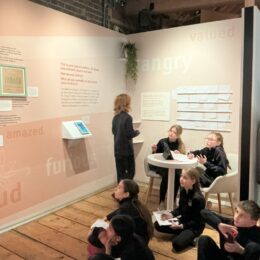
London: Sugar & Slavery
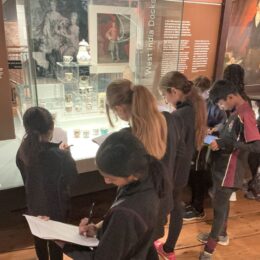
We spent significant time in the London, Sugar & Slavery gallery — one of the only permanent exhibitions in the UK dedicated to the British trade in enslaved Africans. The children learned that only ships registered in Liverpool, Bahia and Rio de Janeiro trafficked more African people into slavery than London. Yet it was London that benefited most from slavery’s profits.
Those profits flowed into banks, insurance houses and government. They funded shipbuilding, dock construction and commercial enterprise. Slavery became woven into London’s economic and social fabric — a sobering realisation for pupils standing in the very city shaped by that history.
The gallery also explored the growing campaign to abolish slavery. Enslaved people in the Caribbean resisted and rebelled, undermining plantation profits. In Britain, campaigners shared anti-slavery literature and boycotted sugar. Slavery in the British Empire was made illegal in 1833, although the so-called “apprenticeship” system delayed genuine freedom for several more years.
A particularly powerful element was following the stories of Mary Prince and Olaudah Equiano. Pupils completed a gallery trail, reflecting on identity, injustice and resilience. Watching 10 and 11 year olds engage with such maturity and empathy was wonderful.
An Empty Plinth — A Powerful Conversation
Outside the museum stood an empty plinth. As a year group, we paused to discuss why it was empty and what that might signify.
Although the children were very young when many statues were removed from plinths across England, they understood the deeper meaning. They recognised that statues are not simply stone and metal — they represent values, power and the stories societies choose to honour.
The discussion was thoughtful and balanced. Pupils considered questions of legacy, accountability and historical memory. Should we remove monuments? Should we reinterpret them? What does an empty plinth say?
In that moment, history felt present and alive. The children realised that our understanding of the past evolves — and that societies continually reassess whom they celebrate.
Docklands at War
We also explored the Docklands at War gallery, which fitted beautifully with our curriculum, as Year 6 studied the World Wars last term. The children were able to build directly on prior learning, deepening their understanding of how heavily the Docklands were bombed during the Blitz.
They examined how the docks — vital for trade and supplies — became strategic targets during the Second World War. Through artefacts, photographs and personal testimonies, pupils gained insight into the resilience of Londoners and the impact of war on families living and working in the area.
This cross-curricular connection was powerful. Pupils were able to link themes of conflict, economic power, resilience and freedom across different historical periods.
A Building That Tells Its Own Story
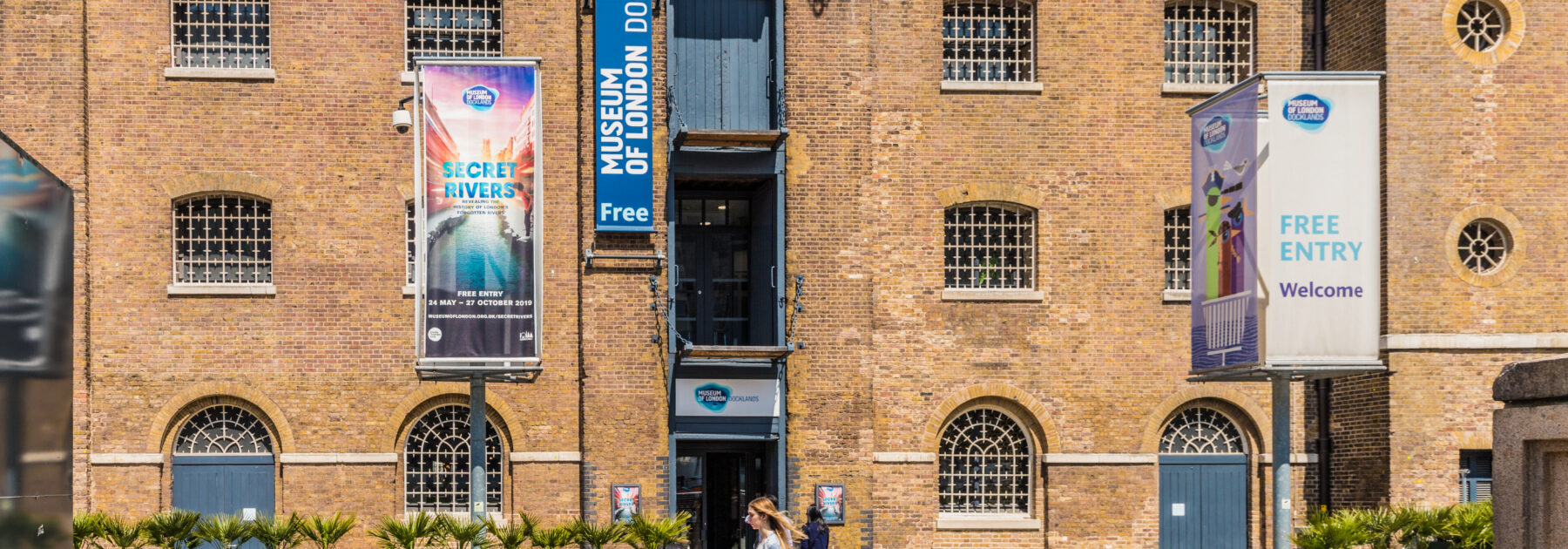
The setting itself enriched the visit even further. The museum is housed in one of nine surviving Georgian warehouses. Timber beams stretch overhead, and the original sloped floors — once designed to help move goods efficiently — remain visible today.
The children were fascinated that they were learning about trade, slavery and war within the very fabric of a building that had witnessed centuries of London’s commercial history. The structure itself became part of the lesson — a tangible reminder that history is not abstract. It is built into the spaces around us.
Learning Beyond the Classroom
This visit brought our enquiry question vividly to life. “Are All People Free?” is no longer theoretical. It is rooted in real stories — of enslavement, resistance, war, economic power and social change.
As their Global teacher, I felt immense pride. The pupils demonstrated historical understanding, moral awareness and deep empathy. They recognised the cruelty endured by enslaved people. They understood the devastation caused by war. They thoughtfully debated how societies remember their past.
Most importantly, they left recognising that freedom is precious — and that understanding history helps us protect it.
Experiences like this remind me why our Global curriculum is so powerful. When history, geography and ethics are woven together meaningfully, pupils do not simply learn facts — they develop perspective, discernment and humanity.
Back to all news